
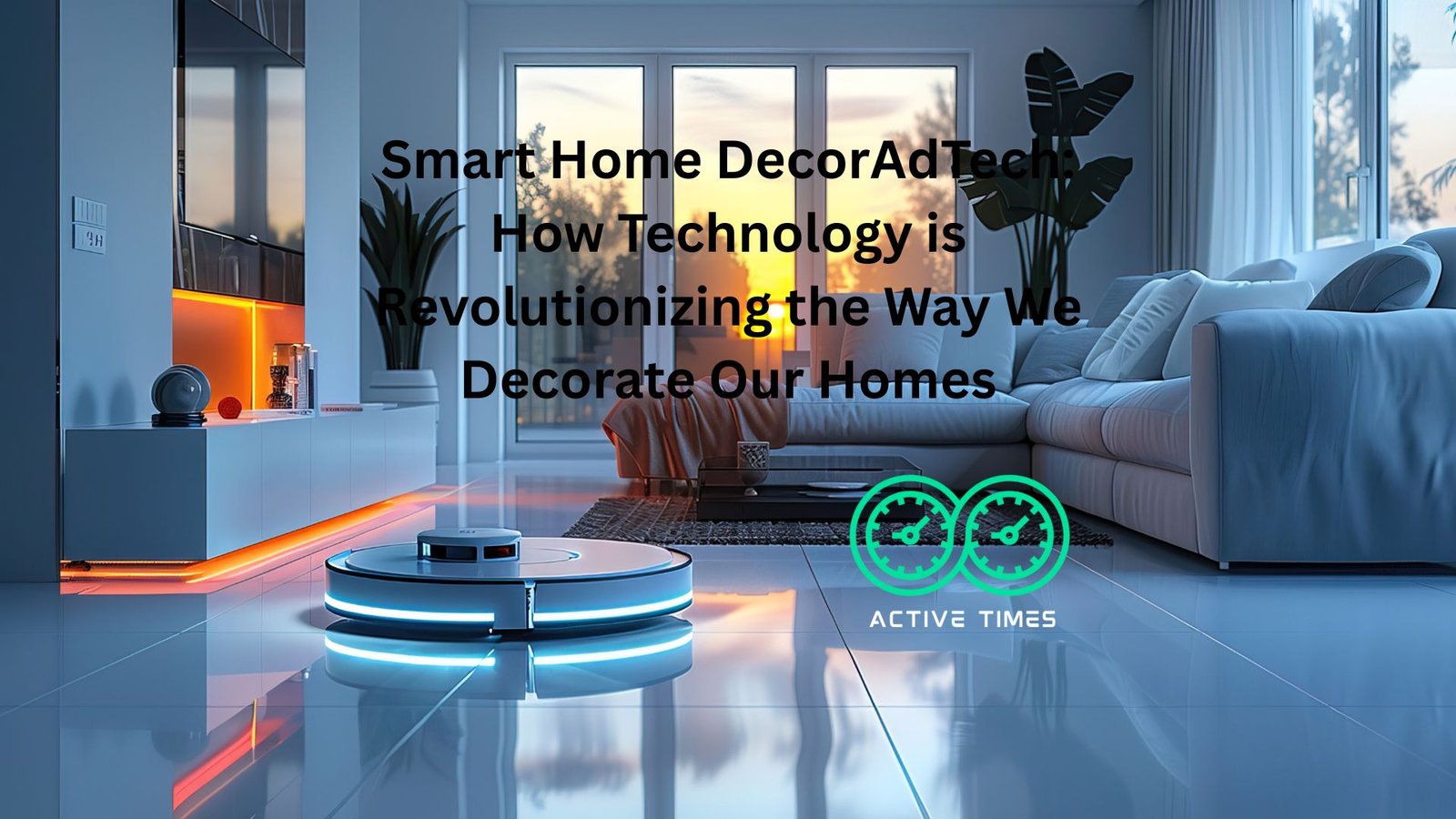
In recent years, the line between home decor and smart technology has blurred, giving birth to a whole new field—Smart Home DecorAdTech. This growing niche is about more than just convenience; it’s about creating beautiful, functional, and personalized living spaces using the power of technology and advertising innovations.
Whether you’re a homeowner trying to give your living room a modern edge, a renter wanting more control over your ambiance, or a business exploring adtech in interior design, this article is your complete guide. We’ll walk you through everything you need to know—from smart decor basics to real-life applications, step-by-step implementation, and future trends.
What is Smart Home DecorAdTech?
Let’s break it down.
- Smart Home: Refers to homes equipped with internet-connected devices that allow remote management of appliances and systems like lighting, heating, security, and more.
- Home Decor: The aesthetic and functional design of your living space.
- AdTech: Short for advertising technology, it’s the umbrella term for systems used to deliver targeted ads and measure their performance.
So, when you combine them, Smart Home DecorAdTech is the intersection of home aesthetics, smart technology, and digital advertising. It enables homeowners and businesses to create interactive, stylish, and even monetized environments.
Imagine walking into your living room, and your smart wall display not only changes colors based on your mood but also shows curated art or personalized offers from your favorite brands. That’s DecorAdTech in action.
A Quick Story: How I Accidentally Built a Smart DecorAdTech Room
A few years ago, I helped a friend redesign her apartment. She wanted it to be stylish but also high-tech. We installed a smart lighting system, a voice-controlled thermostat, and a few digital art frames. What we didn’t expect was how those smart displays ended up syncing with her music, suggesting artwork, and even showcasing promotions for nearby art galleries.
We didn’t plan to create a Smart Home DecorAdTech setup—it just happened.
That’s when I realized: this is the future of living spaces.
Why Smart Home DecorAdTech is More Than a Trend
Let’s face it—our homes are evolving.
We no longer want just a couch and a coffee table; we want immersive environments that respond to us, learn from us, and even make our lives easier. Here’s why Smart Home DecorAdTech is catching fire:
- Personalization: Smart decor learns your habits and adjusts to your preferences.
- Energy Efficiency: Smart thermostats, blinds, and lights save energy and cut bills.
- Dynamic Aesthetics: Digital art and mood lighting that change with your mood.
- Interactive Advertising: Brands can offer context-based ads that blend into your decor.
- Shoppable Spaces: See something you like? Tap and buy—right from your living room wall.
Key Components of a Smart Home DecorAdTech Setup
Let’s break down the core elements that bring this futuristic concept to life.
1. Smart Lighting Systems
From Philips Hue to Nanoleaf, smart lighting is the most accessible entry point. You can change colors, dim lights, and create scenes with your voice or phone.
Pro Tip: Combine your smart lights with motion sensors. When someone enters a room, the lights can turn on in a color that reflects the weather outside.
2. Digital Wall Art & Smart Displays
These are digital frames that display rotating artwork, family photos, or even dynamic ads. Some even respond to sound, motion, or time of day.
Popular options:
- Meural Canvas
- Samsung Frame TV
- Canvia Smart Art
3. Voice Assistants & Hubs
Devices like Amazon Echo, Google Nest, and Apple HomePod act as central command centers. They integrate with your smart decor to automate your experience.
4. AR and VR Decor Planning Tools
Augmented and virtual reality tools help you visualize furniture or decor in your space before buying. Tools like IKEA Place and Houzz AR are already using this tech.
5. Programmatic Ad Integration
Here’s where adtech comes in. Through smart displays and connected devices, advertisers can deliver contextual, non-intrusive ads that actually add to your decor.
Imagine a digital frame showing a stunning mountain landscape—and a subtle, elegant message: “Plan your trip to Switzerland. Click here.”
Step-by-Step Guide to Creating Your Own Smart Home DecorAdTech Setup
Step 1: Evaluate Your Space
Start by analyzing your current room layout and lighting. What areas do you want to enhance? Think about:
- Wall space
- Natural lighting
- Electrical outlets
- Wi-Fi signal strength
Step 2: Choose Your Smart Decor Devices
Depending on your budget and style, choose from:
- Smart bulbs or light panels
- Digital art frames
- Smart blinds or curtains
- Voice-controlled accessories
Step 3: Install a Central Hub
Pick a smart home hub to control everything. Most systems work with Alexa, Google, or Apple’s HomeKit. Make sure all devices are compatible.
Step 4: Style with Intent
Smart decor doesn’t mean sacrificing style. Choose tech that blends with your aesthetic.
- Use matte-finish frames for digital art
- Hide cables creatively
- Choose lighting that complements your furniture
Step 5: Add Interactivity and AdTech (Optional)
If you’re a business owner, property developer, or just curious, you can integrate ad-supported content or shoppable media using:
- Google AdSense for Display Devices
- BrightSign players
- Custom API integrations for retail media
Step 6: Automate and Optimize
Use your smart hub’s routines to automate settings like:
- Morning wake-up scenes
- Movie-night lighting
- Art displays that change based on time or weather
Real-Life Use Cases
Art Galleries
Many modern art spaces now use smart digital displays to rotate collections while also subtly promoting sponsors or upcoming events.
Hotels
Boutique hotels are adopting Smart Home DecorAdTech to enhance guest experiences with dynamic room lighting, smart scent diffusers, and personalized ads for local services.
Real Estate Staging
Imagine walking into a model home and seeing personalized decor based on your online behavior. Realtors are using AR and smart displays to create customized viewing experiences.
How DecorAdTech Impacts Brands and Advertisers
Benefits for Brands:
- Context-aware product placements
- High engagement due to visual integration
- Measurable impact with click or interaction data
Challenges to Consider:
- Privacy concerns
- Device compatibility
- Keeping ads subtle and relevant
To succeed, brands must balance utility and aesthetics, offering value—not intrusion.
Security and Privacy Considerations
As with any connected device, privacy is a real concern. When integrating adtech into homes, transparency is key.
- Always inform users if data is collected
- Use end-to-end encryption where possible
- Provide clear opt-out options
Anecdote: A couple once shared online how their smart display started recommending products after a dinner party conversation. Turns out, the voice assistant had been “listening” all along. Make sure you check your device settings regularly.
What’s Next for Smart Home DecorAdTech?
The future looks bright—and connected. Here are some upcoming trends:
- AI-powered decor stylists that suggest changes based on your mood
- Holographic displays for living rooms
- Gesture-controlled lighting and wall art
- 3D-printed decor items that adjust based on AI analysis of your preferences
Final Thoughts
Smart Home DecorAdTech isn’t just a fancy term—it’s the next evolution of how we live, decorate, and interact with our homes. Whether you’re simply automating your lights or building an interactive living space that blends style with digital innovation, this movement is here to stay.
By thoughtfully combining home design, smart devices, and adtech, you can create spaces that are not just intelligent but also beautiful, interactive, and even profitable.