
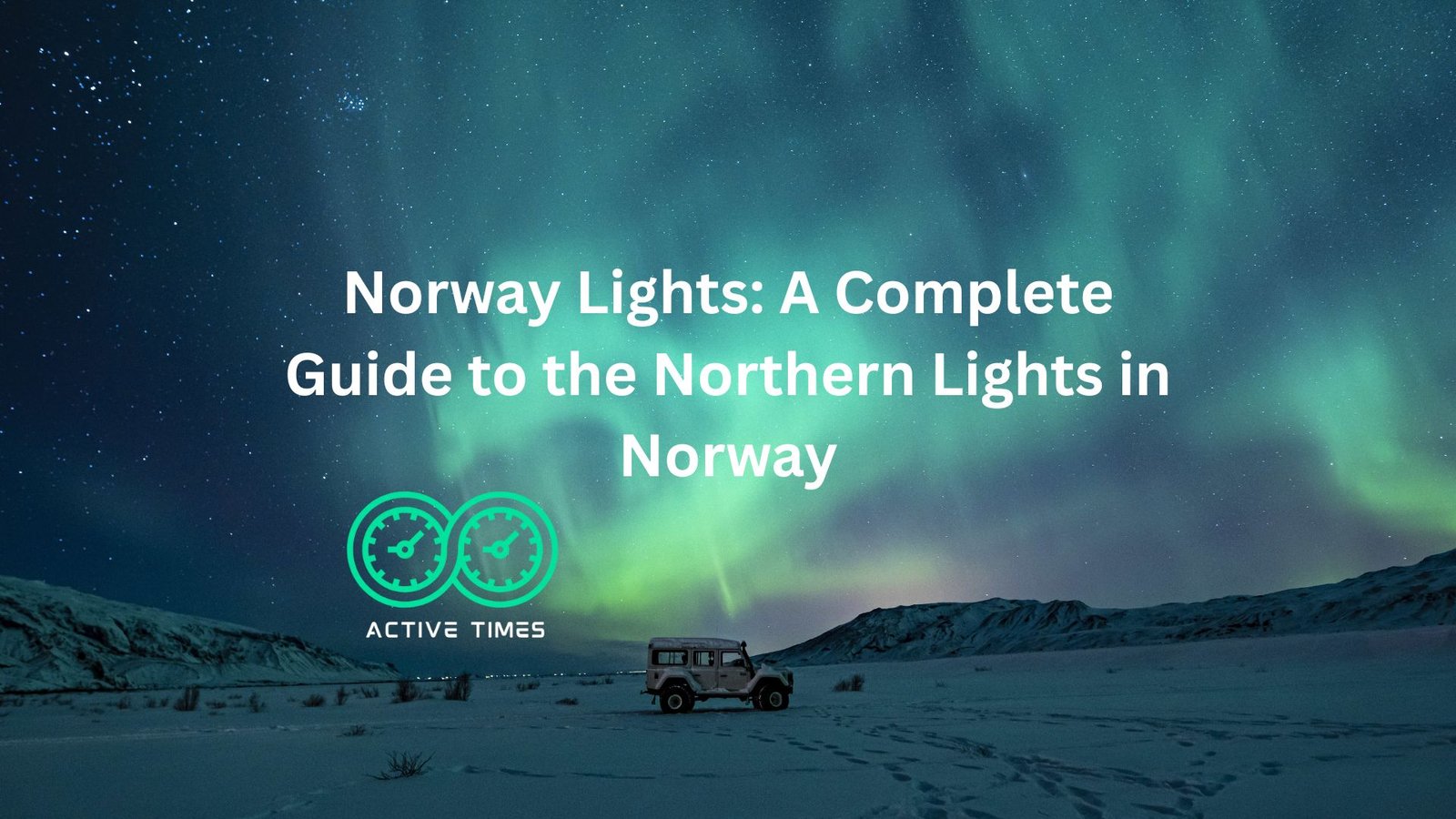
Have you ever dreamed of standing under a sky filled with dancing green and purple lights? If so, then witnessing the Norway lights, also called the Northern Lights in Norway, should be at the top of your travel bucket list. In this detailed guide, we’ll explore everything you need to know about experiencing this magical natural phenomenon. From the best time to go, to where to stay, and even how to photograph the aurora — we’ve got you covered.
What Are the Norway Lights?
The Norway lights, scientifically known as the Aurora Borealis, are natural light displays that occur in the Arctic Circle, most famously in Northern Norway. Caused by solar particles colliding with gases in Earth’s atmosphere, they produce shimmering waves of green, pink, violet, and even red across the night sky. It sounds scientific — and it is — but it also feels like nature’s own fireworks show.
Quick Science (But Not Too Boring!)
When charged particles from the sun hit Earth’s magnetic field, they are pulled toward the poles. These particles interact with oxygen and nitrogen in the atmosphere, creating different colors. Green is the most common, but with a strong solar storm, you might see purple, blue, or red too.
Where Can You See the Northern Lights in Norway?
1. Tromsø – The Capital of the Northern Lights
This Arctic city is one of the best places in the world to see the Northern Lights in Norway. Thanks to its location and modern facilities, it offers a great mix of natural beauty and urban comfort.
“I remember standing by the fjord in Tromsø, shivering in -10°C temperatures, when suddenly the sky burst into green ribbons. It was so silent and surreal, I forgot about the cold completely,” says Laura, a traveler from Australia.
2. Alta – The City of the Aurora
Alta is known for its frequent aurora sightings and clear skies. It even has an Aurora Observatory for those who want a more scientific take.
3. Lofoten Islands – A Photographer’s Dream
Imagine colorful fishing villages, dramatic mountain peaks, and the Norway lights all in one frame. That’s Lofoten. The reflection of the aurora in the ocean here creates jaw-dropping photographs.
4. Senja, Narvik, and Svalbard
Other lesser-known, but equally magical locations to see the aurora borealis in Norway include Senja Island, Narvik, and the Arctic archipelago of Svalbard, where you can even see the lights during the Polar Night (when the sun doesn’t rise for weeks!).
Best Time to See the Aurora Borealis in Norway
Timing is everything when it comes to hunting the Northern Lights in Norway.
Best Months
- Late September to Early April is the best season.
- Peak viewing happens from November to February, when nights are longest and darkest.
Best Time of Day
- Between 9 PM and 2 AM is typically the aurora’s active window.
- Some lucky travelers even catch it as early as 7 PM or as late as 4 AM.
Pro Tip: Use apps like My Aurora Forecast or Aurora Alerts to get real-time aurora predictions.
How to Prepare: A Step-by-Step Guide
Here’s your step-by-step guide to seeing the Norway Lights — especially helpful for first-time visitors!
Step 1: Choose the Right Time
- Aim for clear, dark nights.
- Avoid full moon dates if possible — moonlight can drown out faint auroras.
Step 2: Pick Your Location
- Base yourself in or near the auroral oval – areas like Tromsø or Alta fall right under it.
Step 3: Book a Tour (Optional but Helpful)
- Local aurora tours increase your chances since guides know the best spots and weather patterns.
- Many tours offer thermal suits, photography help, and even hot drinks!
Step 4: Dress Smart
- Think layers: thermal underwear, wool sweaters, waterproof pants and jackets, gloves, and insulated boots.
- It’s very cold, even for seasoned winter travelers.
Step 5: Be Patient
- The lights are a natural event — they don’t follow a schedule.
- Bring snacks, hot drinks, and a good camera.
How to Photograph the Norway Lights
You don’t need to be a pro to take incredible aurora shots. Here are some basic tips:
- Use a tripod to keep your camera steady.
- Set your camera to manual mode.
- Start with these settings:
- ISO: 800–1600
- Aperture: f/2.8 or lower
- Shutter Speed: 10–30 seconds
- Focus on a distant light or use manual focus.
Don’t forget to take a moment just to watch — your eyes are the best lens you have.
Where to Stay for the Best Experience
Staying in the right place can turn a great trip into an unforgettable one.
Aurora Cabins and Glass Igloos
- Try places like Lyngen North, Snowhotel Kirkenes, or Tromsø Ice Domes.
- These offer glass-roofed cabins where you can see the lights from bed!
Mountain Lodges and Remote Retreats
- Off-the-grid stays like Northern Lights Ranch or Reinheim Lodge offer serenity and no light pollution.
What to Eat While You Wait
Norway isn’t just about nature — the food is amazing too! Try:
- Reindeer stew (Finnbiff) – hearty and traditional.
- Fresh cod or Arctic char – straight from icy waters.
- Hot chocolate or mulled wine (Gløgg) – perfect under the stars.
Semantically Related Keywords
Here are some important semantically relevant keywords naturally included in this article for semantic SEO:
- Aurora borealis in Norway
- Northern Lights tours
- Best time to see Northern Lights
- Tromsø Northern Lights
- Aurora forecast Norway
- Where to see the aurora
- Photographing Northern Lights
- Northern Lights weather
- Norway aurora travel guide
Final Thoughts: Is Seeing the Norway Lights Worth It?
Absolutely. Words and photos can’t truly capture the awe of standing under a sky that’s alive with light. It’s a mix of science and magic, solitude and community, cold air and warm hearts.
“It wasn’t just the lights. It was the silence, the snow crunching under my boots, and the strangers beside me gasping like children,” recalls Josh, a solo traveler from Canada.
Whether you go solo, with friends, or on a family trip, chasing the Norway lights can be a once-in-a-lifetime adventure. With proper planning, warm clothes, and a little patience, you’ll have a story worth telling for the rest of your life.