
If you love bubble tea (boba), you’ve probably seen “crystal boba” on menus and wondered what it is. Is it different from regular boba pearls? What does it taste like? Is it healthier? This guide will answer all your questions about crystal boba, how it’s made, and why it’s become such a popular topping in the bubble tea world.
What Is Crystal Boba?
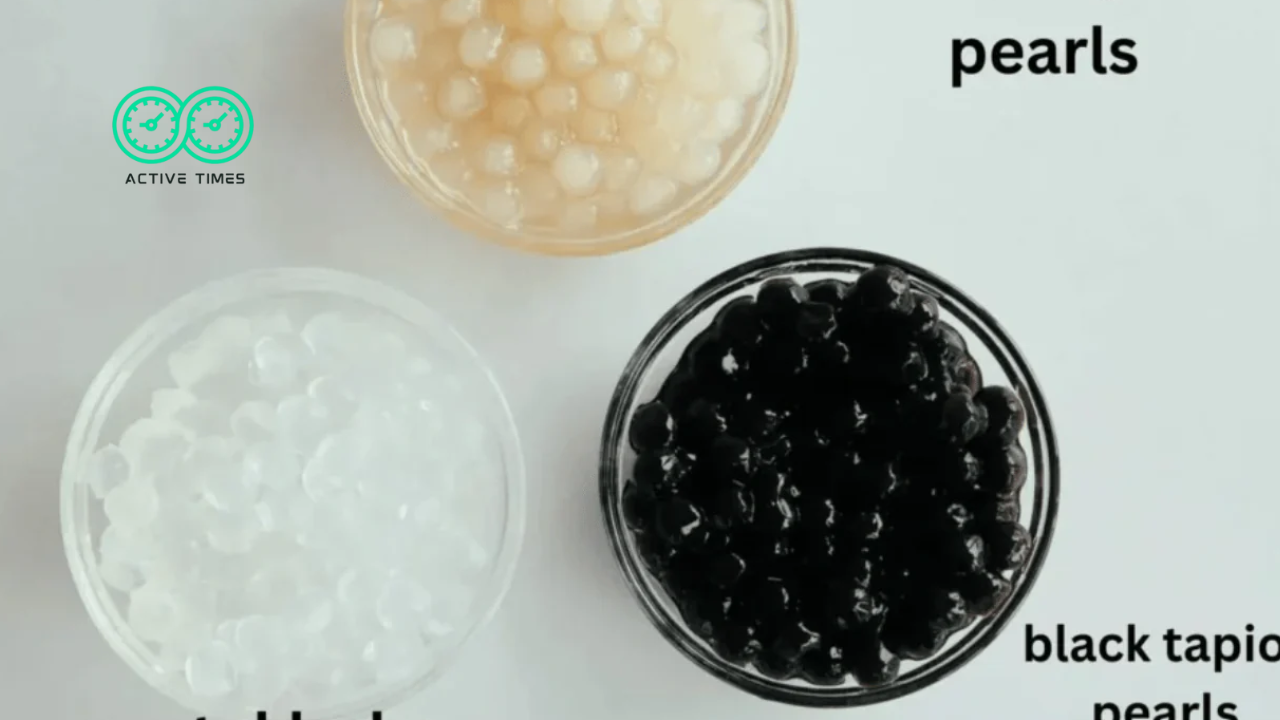
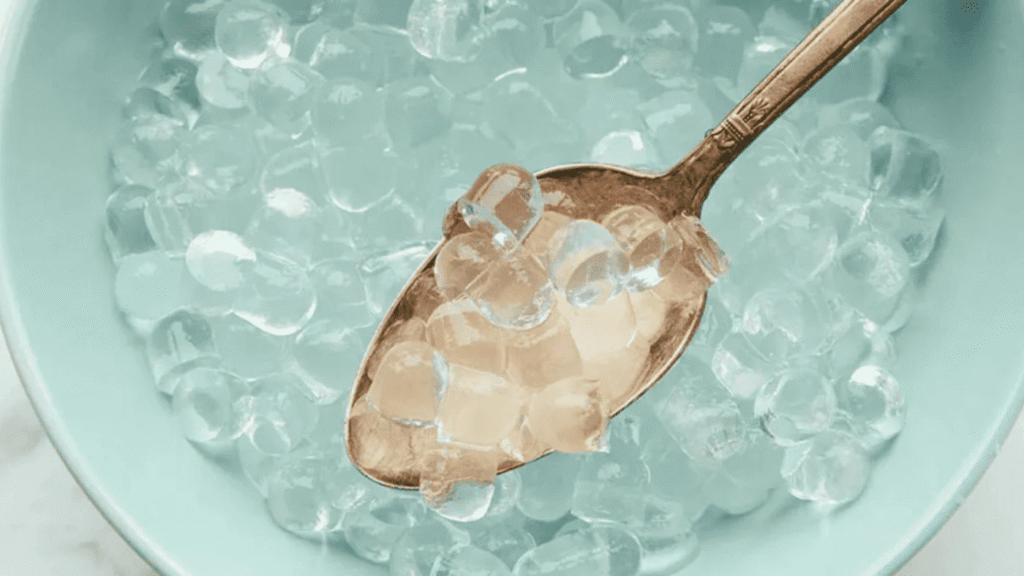
Crystal boba is a chewy, translucent topping often used in bubble tea, milk tea, or even fruit teas. Unlike regular tapioca pearls (the classic black boba), crystal boba is made from a plant-based ingredient called konjac (a type of root vegetable) instead of tapioca starch. This gives it a slightly different texture and appearance. Crystal boba looks clear or white and has a softer, jelly-like chew compared to the chewy and sticky feel of regular boba.
In bubble tea shops across the United States, crystal boba is also called “white pearls” or “agar boba” because of its light, almost glassy appearance. It’s naturally vegan, gluten-free, and lower in calories than tapioca pearls, which is why many people choose it as a healthier alternative.
How Is Crystal Boba Made?
Crystal boba is made from konjac, a plant root native to East Asia that’s commonly used to make low-calorie, gelatin-like foods. The process starts by extracting konjac powder and mixing it with water, sweeteners, and sometimes calcium hydroxide (a firming agent). The mixture is then heated and cooled to form soft, chewy pearls.
Unlike tapioca pearls, which need to be cooked in boiling water for about 30 minutes, crystal boba is pre-cooked and ready to eat straight out of the package. This makes it super convenient for bubble tea shops and home tea drinkers alike.
The finished product has a translucent, jelly-like texture and absorbs the flavors of the drinks or syrups it’s mixed with. Some versions come pre-flavored with honey, brown sugar, or fruit essences for an added kick.
Crystal Boba vs Regular Boba
So how does crystal boba compare to regular boba? Let’s break it down.
What’s the Main Difference?
The biggest difference lies in their ingredients and textures:
- Crystal Boba is made from konjac and has a soft, jelly-like bite. It’s translucent and slightly slippery.
- Regular Boba (Tapioca Pearls) is made from tapioca starch and has a firmer, chewier texture. It’s black because of brown sugar or caramel coloring.
While regular boba gives that classic “QQ” chewiness popular in Taiwan, crystal boba feels lighter and melts in your mouth faster.
Which One Is Healthier?
Crystal boba is generally considered healthier because it’s lower in calories and sugar. Since it’s made from konjac, it’s high in dietary fiber (glucomannan) which can help with digestion and promote a feeling of fullness.
Regular boba, on the other hand, is mostly starch and provides little nutritional value. A single serving of tapioca pearls can add over 150 calories to your drink, mostly from carbohydrates and sugar.
If you’re watching your calorie intake or prefer a vegan option, crystal boba is the better choice.
Which One Tastes Better?
This comes down to personal preference:
- Crystal boba has a neutral flavor and absorbs whatever syrup or tea it’s soaked in. It’s great if you like a light, refreshing texture.
- Regular boba has a more robust, caramel-like sweetness (especially if cooked in brown sugar) and provides a classic chew.
Many bubble tea fans love mixing both types of pearls for a fun combination of textures.
What Does Crystal Boba Taste Like?
Crystal boba itself has a very mild, slightly sweet flavor, thanks to the konjac base. On its own, it doesn’t have a strong taste, but it’s excellent at soaking up syrups like honey, brown sugar, or fruit flavors. When added to bubble tea, it gives a refreshing, juicy bite without overpowering the drink’s flavor.
The texture is soft, slippery, and slightly bouncy—like a cross between jelly and gummy candy. This makes it perfect for lighter drinks like fruit teas or floral teas (think jasmine or hibiscus), where regular boba might feel too heavy.
Is Crystal Boba Healthy?
Crystal boba is often marketed as a healthier alternative to regular boba, and for good reason. Since it’s made from konjac, it’s very low in calories and carbs. It also contains dietary fiber, which can aid digestion and help you feel full longer.
Here’s a quick look at its health benefits:
- Low Calorie: About 70 calories per 100 grams (compared to 150+ calories for tapioca boba).
- Vegan & Gluten-Free: Made entirely from plant-based ingredients.
- High Fiber: Konjac contains glucomannan, which supports gut health.
However, remember that the healthiness of your bubble tea depends on the whole drink—sugar levels, milk or creamers, and portion size.
Calories in Crystal Boba
On average, one serving (about ¼ cup or 50 grams) of crystal boba contains 25–35 calories, depending on whether it’s pre-sweetened. Compared to tapioca pearls (which can add 150–200 calories per serving), crystal boba is much lighter.
Does It Have Sugar?
Plain crystal boba has very little sugar (less than 1 gram per serving). But pre-packaged versions often come soaked in sweet syrups. Always check the label if you’re trying to limit sugar. You can also rinse pre-sweetened boba before adding it to your drink to reduce sugar content.
How to Make Crystal Boba at Home?
Making crystal boba from scratch isn’t common because konjac requires precise cooking. However, you can easily buy ready-to-eat packs online or in Asian grocery stores. To prepare:
- Drain the liquid from the package.
- Rinse the pearls under cold water.
- Soak them in your favorite syrup (honey, agave, or fruit juice) for 10–15 minutes.
- Add to tea, smoothies, or desserts.
This simple process lets you enjoy crystal boba at home without boiling or cooking.
Where to Buy Crystal Boba in the USA?
You can find crystal boba at many Asian supermarkets like H Mart, 99 Ranch, or Mitsuwa. It’s also available online on Amazon, Walmart, and specialty bubble tea suppliers. Look for brands like Tea Zone, Bossen, or WuFuYuan that sell ready-to-eat crystal boba in small or bulk packs.
Fun Facts About Crystal Boba
Did you know crystal boba is often used in desserts beyond bubble tea? In some Asian countries, it’s added to shaved ice, yogurt parfaits, and even cocktails for a fun texture. Another fun fact: since it’s made from konjac, it’s related to the same plant used for konjac noodles (shirataki) and vegan gelatin!
The Bottom Line
Crystal boba is a tasty, low-calorie alternative to regular boba pearls. With its jelly-like texture and ability to soak up flavors, it’s a perfect topping for fruit teas, smoothies, and desserts. Plus, it’s vegan, gluten-free, and convenient to use straight from the package. Whether you’re trying to cut calories or just want to try something new, crystal boba is worth adding to your bubble tea experience.
So next time you see it on a bubble tea menu, don’t hesitate to give it a try—you might just discover your new favorite topping!