
Choosing the right paint finish might seem like a small decision, but it can completely change how your space looks and feels. One of the most common paint questions homeowners ask is: “Semi gloss vs satin — what’s the difference?” Whether you’re painting a kitchen, bathroom, living room, or furniture, knowing the right finish can help you get the look and durability you need. Let’s break it down in simple terms and help you make the perfect paint choice for your next project.
What Is the Difference Between Semi Gloss and Satin?
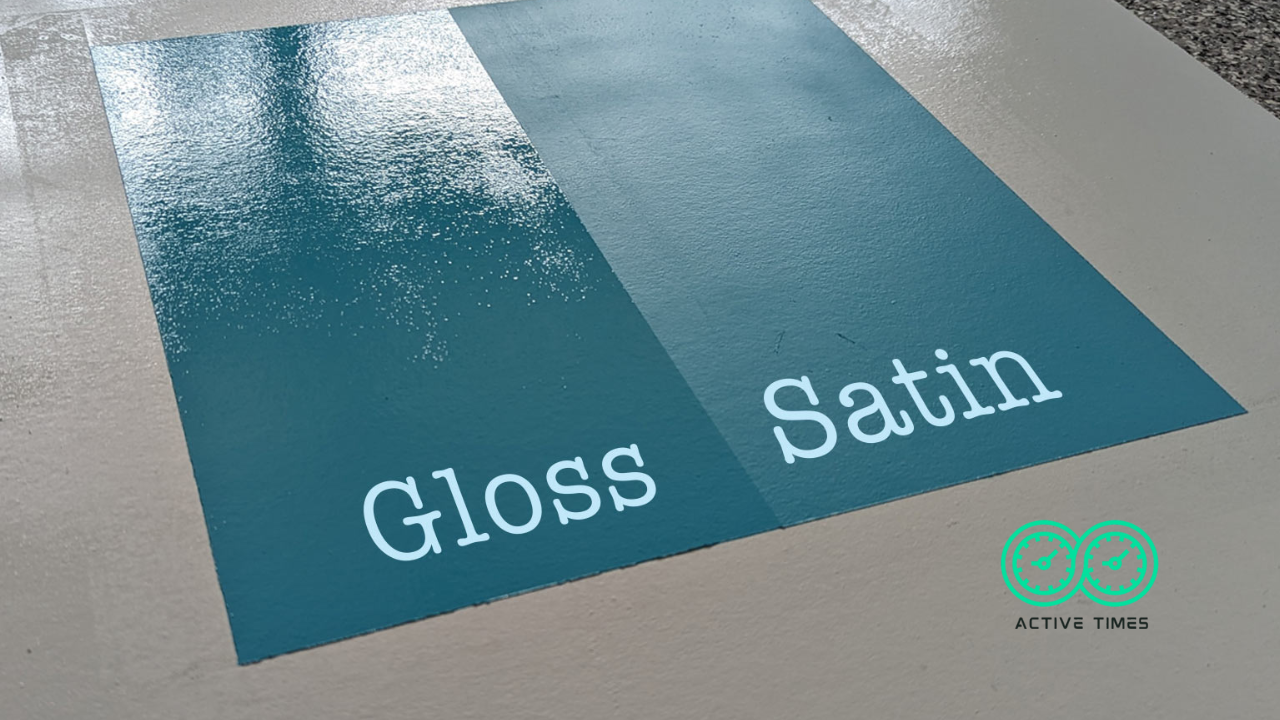
The biggest difference between satin and semi gloss is how shiny the paint looks and how much light it reflects. Semi gloss paint has a noticeable shine. When light hits it, the surface bounces light back, making it look smooth and slightly reflective. It gives a bit of a polished feel. On the other hand, satin paint has a softer, more muted glow. It’s not totally flat, but it doesn’t reflect as much light as semi gloss does. You can think of satin as having a silky or velvety finish, while semi gloss has a crisp, clean appearance.
Another difference is how well they hide wall imperfections. Since semi gloss reflects more light, it also shows more flaws, like bumps, cracks, or roller marks. Satin paint, being less shiny, tends to hide those imperfections better. So, if your walls aren’t perfectly smooth, satin might be the smarter choice.
Also, there’s a slight difference in how these finishes feel to the touch. Satin feels smoother and softer, while semi gloss feels slicker and firmer. These subtle differences can really impact the final look and practicality of your painted surfaces.
When to Use Semi Gloss Paint
Semi gloss paint is perfect for areas where durability, moisture resistance, and easy cleaning are top priorities. That’s why it’s often the go-to choice for rooms that get a lot of wear and tear. For example:
- Kitchens: The semi-gloss surface makes it easy to wipe off grease, oil, and food splatters. It holds up well against scrubbing and cleaning.
- Bathrooms: It resists moisture and mildew better than flatter finishes, making it ideal for humid spaces.
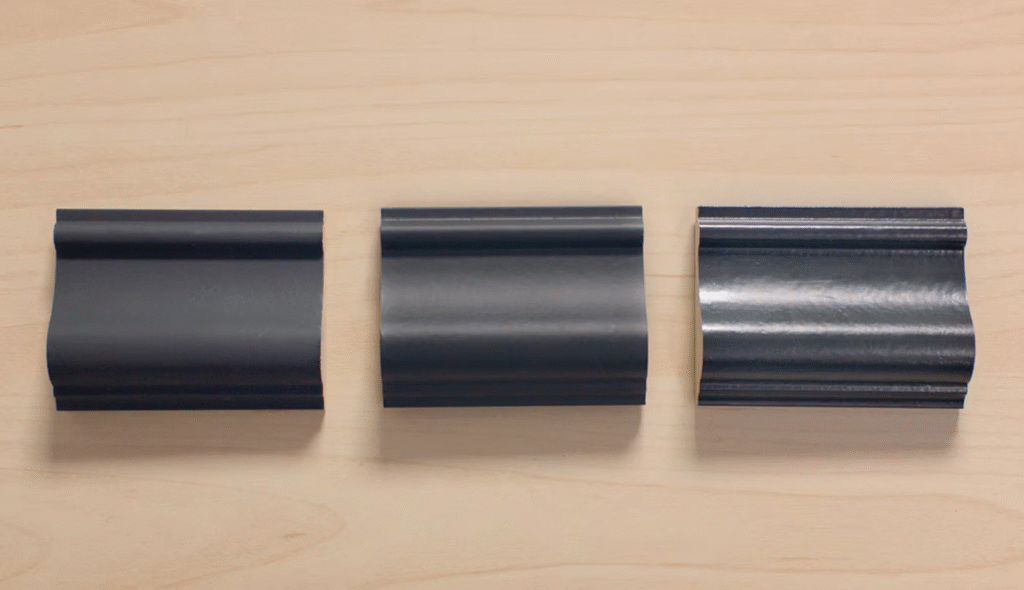
- Trim and doors: It adds a subtle shine that highlights the architectural details of your home, like baseboards, crown molding, or window frames.
- Cabinets: Because it’s easy to clean, semi gloss works well on kitchen or bathroom cabinets that are frequently touched.
In short, semi gloss is your best friend when you want a long-lasting, shiny surface that’s easy to maintain. It’s great for both function and appearance.
When to Use Satin Paint
Satin paint is a popular choice for living areas, bedrooms, hallways, and other spaces that need a balance of style and durability. It has a soft sheen that gives walls a smooth, elegant look without the full shine of semi gloss.
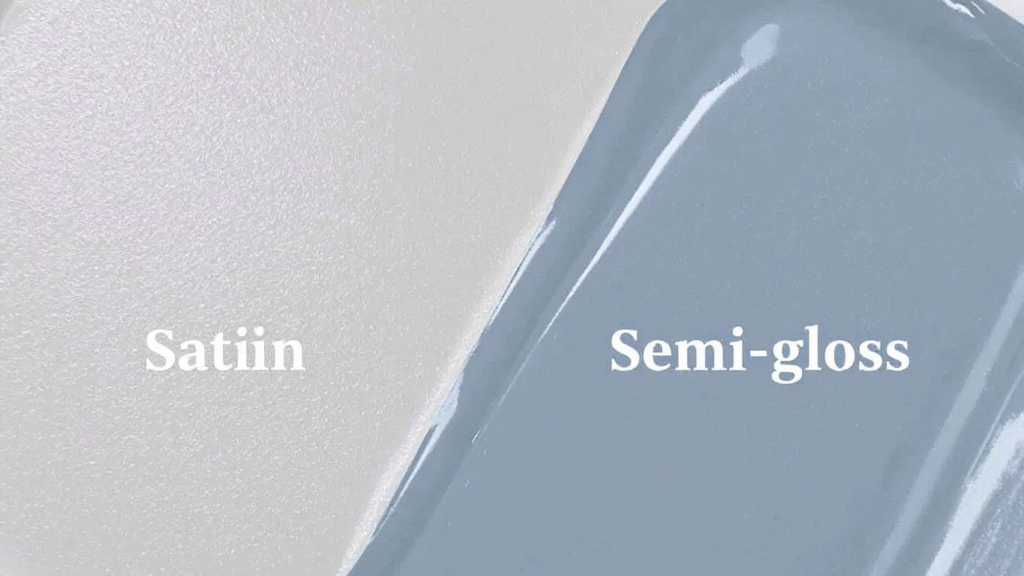
It’s especially good when you want a finish that looks modern but not too flashy. Satin is also easier to touch up than semi gloss because it hides small wall blemishes and touch-up marks better.
People often choose satin for:
- Living rooms and dining rooms: It adds warmth and sophistication without drawing too much attention.
- Bedrooms: Its smooth finish gives a cozy, calm vibe, especially in children’s rooms.
- Hallways and staircases: These areas get a lot of foot traffic and fingerprints, and satin stands up to gentle cleaning.
- Ceilings with light exposure: Satin adds just enough glow without being too reflective.
Is Satin Good for Walls?
Yes, satin is an excellent choice for walls in most rooms of your home. It’s durable, resistant to light stains, and offers a nice low-gloss finish that looks refined. Unlike flat or matte paints, satin can be wiped down occasionally, making it great for busy households with pets or kids.
In rooms where you want a soft finish that still feels polished, satin is the best balance between beauty and practicality. It also works well if your walls aren’t perfectly smooth, because it won’t highlight every bump or crack.
Can You Use Satin on Trim?
Yes, you can use satin on trim, but it’s not the most common choice. Most people prefer semi gloss for trim because it highlights the details better and is more resistant to scuff marks. However, if you want a more understated, matte look for your trim, satin can work well — especially in modern or minimalist interiors.
Just remember, satin won’t pop as much as semi gloss, so if you want your baseboards and door frames to stand out, semi gloss might be the better option.
Satin vs Semi Gloss for Cabinets
When it comes to painting cabinets, durability and cleanability are critical. Cabinets are high-touch areas — especially in kitchens and bathrooms — so you need a finish that can take a beating.
- Semi gloss is often the preferred finish because it resists water, grease, and daily handling. It’s easy to clean and holds up to frequent scrubbing.
- Satin works if you prefer a softer look and are okay with a little more maintenance. It’s less shiny but still durable enough for moderate-use areas.
So, semi gloss is usually better for cabinets, but satin works if you want a more muted, sophisticated style.
Which Paint Is Easier to Clean?
Semi gloss paint is easier to clean than satin. Its slick surface doesn’t absorb stains as easily, and it stands up better to soap, water, and scrubbing. That’s why it’s the go-to finish for kitchens, bathrooms, and children’s rooms where messes are more likely.
Satin is also fairly easy to clean, but it’s more delicate. If you scrub too hard, you can leave shiny marks or remove some of the paint finish. So, while satin can be wiped down, it’s best for areas where deep cleaning isn’t needed as often.
Which Paint Lasts Longer?
Both satin and semi gloss are durable, but semi gloss tends to last longer because of its tougher surface. It’s more resistant to fading, peeling, and damage from moisture or cleaning chemicals. That’s why semi gloss is recommended for high-humidity rooms and areas that see a lot of traffic.
Satin paint also has good longevity, but over time, it might show more wear in busy spaces. However, it’s still a durable choice for most living areas, and many homeowners prefer its appearance over the shinier semi gloss.
Best Paint for Kitchens and Bathrooms
When choosing paint for kitchens and bathrooms, two things matter most: moisture resistance and easy cleaning. That’s why semi gloss is often the top choice. It can handle splashes, steam, grease, and constant wiping without losing its finish.
However, satin is still a good option if you want a more subtle finish, especially in bathrooms with good ventilation or powder rooms that don’t get steamy. In kitchens, satin might work on walls, but cabinets and trim should usually be painted with semi gloss for better durability.
Satin vs Semi Gloss in Bathroom
In bathrooms with showers or tubs, where humidity is high, semi gloss is better because it holds up to moisture and is mildew resistant. It also wipes clean easily if water or soap splashes on the walls. Satin can be used in half-baths or powder rooms, but may not hold up as well in full bathrooms unless you have excellent ventilation.
Best Paint for Kitchen Walls
The best paint for kitchen walls is usually satin. It offers a smooth, washable surface that doesn’t highlight every little imperfection on the wall. Semi gloss can also be used, especially near stoves or sinks where splashes are common, but it can be a bit too shiny for large wall areas. For a balanced look and easy maintenance, satin is usually the top pick.
What’s Cheaper: Satin or Semi Gloss?
The price difference between satin and semi gloss paint is usually very small, often just a few dollars per gallon. On average, both finishes fall in the same price range, especially if you’re using top-quality brands like Behr, Sherwin-Williams, or Benjamin Moore. However, semi gloss may cost slightly more due to its enhanced durability and reflectivity. Still, the choice should be based on where and how you’re using the paint, not just cost.
Thoughts: Which One Should You Pick?
When it comes down to satin vs semi gloss, the best finish depends on what you’re painting and how the space is used. If you want something easy to clean, durable, and a bit shiny, go with semi gloss — perfect for bathrooms, kitchens, trim, and cabinets. But if you want a softer look that still resists stains and feels cozy and warm, satin is the better option — great for walls in bedrooms, living rooms, and hallways.
The Bottom Line
In the end, both satin and semi gloss are great paint finishes with their own pros and cons. Semi gloss is tough, shiny, and easy to clean, making it ideal for high-moisture or high-traffic areas. Satin is smooth, elegant, and versatile, perfect for most walls and spaces where you want a more relaxed look. Think about the room, the surface, and how much shine you want. Whether you’re repainting your kitchen, updating your bathroom, or adding color to a bedroom, choosing the right finish is just as important as picking the right color.