
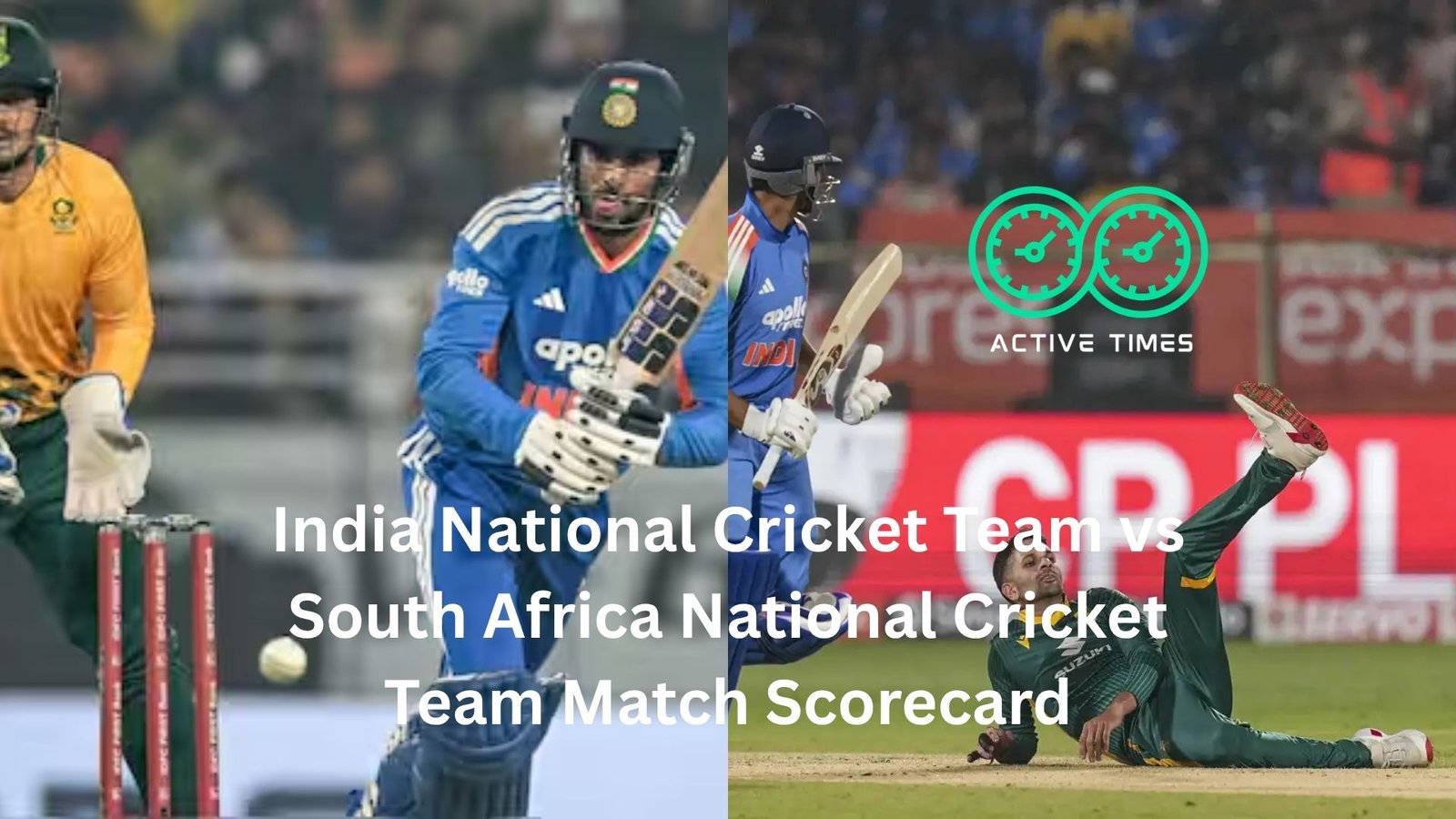
📊 A Tale of Bat, Ball, and Heart
If you watched the recent India vs South Africa cricket clashes, you already know it wasn’t some tame dance down the pitch. It was drama, powerplay fireworks, stubborn resistance, and a few “wait, what just happened?” moments that make cricket such a damn good sport to follow. Let’s talk about the match scorecards — not as dry stats, but as the storylines they really were.
Here’s the thing: these two teams have been trading blows across formats — T20s and ODIs — and each game had its own character. Some were routs; others were edge‑of‑seat thrillers. I’ll walk you through the highlights and what the numbers felt like on the ground.
1st T20I: India’s Aggressive Stamp
Right from the toss, this one felt like India saying, “We’re not here to lose time.” Batting first, India piled up the runs with a commanding total of 175/6 in 20 overs. Hardik Pandya was the standout, smashing 59 off just 28 balls — the kind of innings where your eyes keep jumping to the strike rate column.
South Africa, in reply, were blown away early. They folded for a mere 74 in 12.3 overs, thanks to Indian bowlers keeping their lengths tight and aggression cranked up. When a team is reduced to under a hundred in a T20, it doesn’t just reflect good bowling — it shows pressure applied constantly, like someone stepping up the volume every over.
Final result? India won by 101 runs. That’s not just a win — it’s a statement.
5th T20I: India Take the Series
The series finale came in Ahmedabad, and India again batted first. They posted 231/5 in their 20 overs, a score that looks like it’s been on steroids. You don’t clock 230+ without batters feeling confident and timing the ball beautifully.
South Africa tried to chase but managed 201/8 in their 20 overs, falling short by 30 runs. Not exactly a cliffhanger, but run chases of 200+ aren’t a cakewalk. India’s bowling was disciplined — not always about deadly pace, but about consistent pressure and feedback in the right areas.
So, this match delivered a solid team performance from India — both with bat and ball.
2nd ODI: A Classic Chase Drama
Now, let’s switch formats. One‑day games let you breathe a bit more, soak in the rhythm, and this one didn’t disappoint.
India set a mammoth total of 358/5 in 50 overs. Ruturaj Gaikwad and Virat Kohli both hit hundreds — rare chemistry that usually means the scoreboard bell will ring loud.
South Africa didn’t panic. Nope. They quietly collected runs, and by the time they reached 362/6 with 4 balls to spare, it was clear: they weren’t just competing — they were plotting. That off‑balancing chug towards the target was the kind that makes fans sit forward in their seats.
Final verdict: South Africa won by 4 wickets. It wasn’t a loss for India on paper that day — it was a lesson in pacing a chase under pressure.
3rd ODI: Response With Firepower
Fetched up from their defeat in the second ODI, India bounced back. This time, South Africa posted 270 runs in 47.5 overs — competitive, but not unassailable.
India then approached the chase like a team with a rhythm now. Virat Kohli scored a brisk 65, but the headline belonged to Yashasvi Jaiswal with an impressive 116 — steady, controlled, and explosive when needed.
India finished with 271/1, winning by 9 wickets. We’re talking a comfortable chase that still had a tinge of satisfaction for those who appreciate the technique behind run‑scoring, not just the numbers.
What These Scorecards Tell Us
Numbers alone don’t capture the mood — but they hint.
- India’s batting has the firepower in shorter formats. They can pile up runs quickly and stay aggressive without crumbling.
- South Africa’s chase mentality in ODIs surprised a few, showing they’re not just pace on fast pitches but thoughtful battlers too.
- Bowling has been a mixed bag, but pivotal when it counts — especially in T20s where every dot ball feels like gold.
- There’s also context to all of this: both teams have history and respect for each other. India has had big wins over South Africa in major tournaments — even lifting the T20 World Cup against them in 2024 — and that adds another emotional layer every time they meet.
The Human Moments Behind the Numbers
Here’s a mini scenario to paint the day:
Imagine being at the ground during the 1st T20I. Walk into the stadium, still warm from the afternoon sun. The crowd is buzzing — it’s not just a match, it’s a chance to exhale after a tight series of games. India hits 175 and suddenly everyone’s sipping chai with a little more spring in their step. Then South Africa’s innings ends at 74 in just 12 overs — and the street outside feels eerily quiet, like the city collectively hit mute.
Cricket’s funny that way. Twenty overs can be over in what feels like minutes, yet those minutes stretch in your mind for hours. You remember which bowlers got key wickets, which batters looked cool under heat, and which shots made you flinch then cheer.
Looking Ahead: More Than Just Stats
If scorecards are a map, these matches show both teams plotting new routes. India’s batting dominance in T20s, South Africa’s grit in ODI chases — it’s the kind of evolving narrative that keeps fans hooked.
There’s a rhythm to these clashes: one day it’s a stampede of runs, the next it’s tactical patience. That’s why you follow scorecards — they don’t simply log data, they remember stories. For anyone who loves the game, that’s the real score.
Final Thought
As a smart fan, you know cricket isn’t just about who won or lost. It’s about momentum shifts, subtle batting negotiations, bowlers digging in when needed, and those rare individual performances that become talking points. The India vs South Africa match scorecards from recent series gave us all of that — and plenty to chew on till the next time they lock horns.
Whether you’re chasing settings on your phone or sitting with a cold drink in the stands, these games have reminded us: cricket is as unpredictable as life — fast, dramatic, and deeply satisfying when narratives finally click into place.