
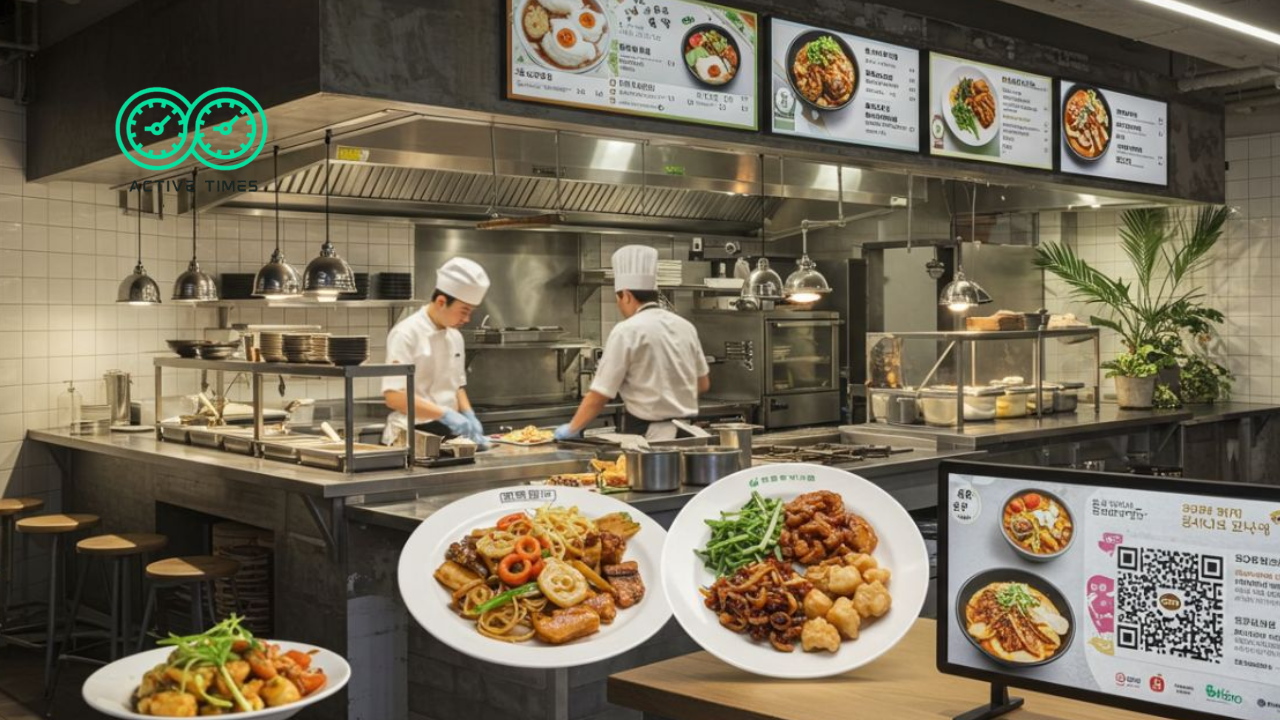
Every day, Chinatown hawker stalls cook and serve lots of tasty food. But not everything gets eaten. So, what happens to the extra food, or “leftovers”? Let’s take a simple and clear look at what hawker food leftovers are, where they go, and how they affect our world.
What Are Chinatown Hawker Leftovers?
Chinatown hawker leftovers are the extra food items that are not sold or eaten at small food stalls, often found in busy Chinatown areas in cities across the United States. These leftovers can include rice, noodles, dumplings, meats, and soups that were prepared but remained untouched by customers. Hawker stalls are known for serving large batches of food quickly and cheaply, but sometimes, especially during slow business days or bad weather, not all of the food is sold. These uneaten foods are what we call “leftovers.” Many times, this food is still safe and fresh by the end of the day but becomes waste simply because it was not bought. In Chinatown hawker centers, where food is made fresh every morning, unsold food at night must be dealt with in some way.
Why Do Hawker Leftovers Happen?
There are many reasons why leftovers happen at Chinatown hawker stalls. One big reason is unpredictable customer traffic. Some days are busier than others, and it’s hard for vendors to guess exactly how much food they’ll need. If they cook too little, they lose money from missed sales. If they cook too much, they end up with leftovers. Another reason is weather. On rainy or cold days, fewer people might come out to eat. Special holidays or local events can also change the number of customers. In addition, certain dishes don’t keep well overnight, and hawkers prefer to sell everything fresh. Finally, hawkers must prepare in advance, which means cooking in bulk. This style of cooking is efficient but can often lead to extra food.
Where Do the Leftovers Go?
What happens to these leftovers depends on the hawker and the local rules. Not every stall handles leftovers the same way. Some have their own systems, while others follow city or state guidelines.
Are They Thrown Away?
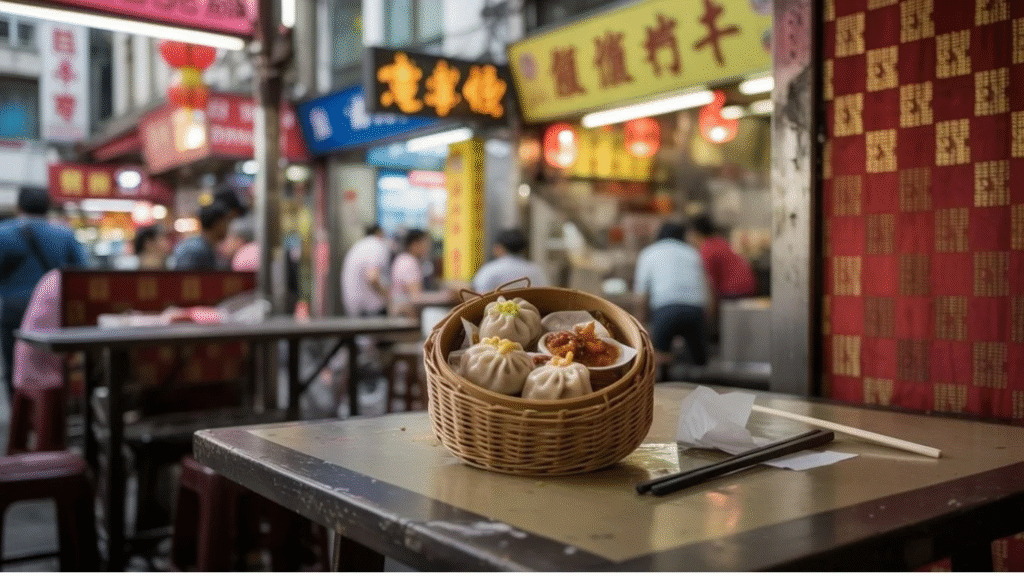
Yes, a lot of Chinatown hawker leftovers are simply thrown away. In many cases, hawkers do not have storage or reheating options that meet health codes. Leftover noodles, rice, and meat can spoil quickly if not cooled and stored correctly. To avoid food poisoning and fines, many vendors choose to discard the extra food. Unfortunately, this creates a lot of food waste that ends up in landfills. This type of waste is a growing issue in the U.S., especially in urban areas with high food sales. The cost of throwing away food also adds up over time.
Do Some Places Donate It?
Some hawker stalls in Chinatown do donate their leftovers, but it’s not very common. There are food donation programs and nonprofit organizations that accept unsold but safe-to-eat food. However, strict food safety laws in the U.S. often make it hard for small food vendors to give away cooked food. They may worry about getting sued if someone gets sick. Still, there are “Good Samaritan” laws in many states that protect food donors. In some cities, new efforts are being made to connect hawkers with local shelters or food banks. These programs help reduce waste while feeding those in need. When used properly, food donation becomes a powerful tool for good.
Can Leftovers Be Reused?
Some Chinatown hawkers try to reuse leftover food the next day, especially if it’s been kept safely. For example, leftover rice can be turned into fried rice, or leftover chicken might be used in soup. But this reuse must follow health rules. In most U.S. cities, food made fresh must be sold on the same day. Also, customer trust matters—many customers prefer freshly cooked food and might avoid stalls known for reheating leftovers. Still, creative and safe reuse is possible and helps to cut waste. It’s all about smart planning, good storage, and keeping food safety in mind.
How Does Food Waste Hurt the Earth?
When hawker leftovers are thrown away, they often go to landfills. There, they break down and release a gas called methane. Methane is a greenhouse gas that’s more harmful than carbon dioxide. It traps heat in the air and adds to climate change. Also, wasted food means wasted resources. Think of all the water, energy, and labor used to grow, ship, and cook that food. When it’s tossed out, all of those resources are wasted too. On a large scale, food waste is one of the biggest contributors to pollution and climate change. In fact, food waste in the U.S. makes up more than 30% of all food produced. That’s a huge amount. Chinatown hawker stalls may be small, but their impact adds up when we look at all the stalls together.
Smart Ways to Use Leftover Hawker Food
There are better ways to handle leftovers than just tossing them. One idea is composting. Some Chinatown stalls have started composting food waste, which turns it into soil for gardens. Another idea is food tracking. With simple apps or digital tools, hawkers can track what sells and when. That way, they can cook just the right amount next time. Packaging leftovers for later sale is another option. Some stalls now offer late-night discounts to sell what’s left. Finally, team-ups with food delivery apps can help move extra food faster. With smart planning, leftovers can become opportunities instead of waste.
What Can We Do to Help?
You don’t need to be a hawker to fight food waste. Everyday people can make a big difference just by being more mindful.
Take Only What You Can Eat
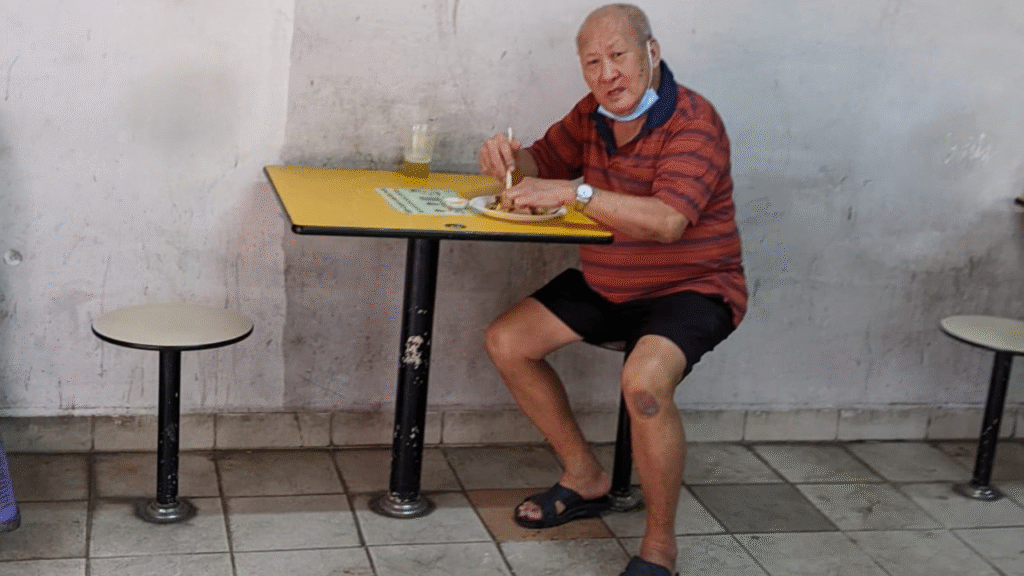
When you order food at a Chinatown hawker stall, only buy what you’re sure you can finish. If the portion is too big, ask if they can give a smaller size. This simple action helps reduce uneaten food that ends up in the trash. Plus, you save money.
Share Extra Food
If you’re eating with friends or family, share dishes. Chinatown hawker food is great for sharing, with lots of items served in small or medium portions. Instead of everyone ordering their own big meal, share a few dishes. This way, you get to taste more food without wasting any.
Support Zero-Waste Hawkers
Look for stalls that care about food waste. Some stalls put signs about their zero-waste efforts. Others offer reusable containers or discounts for bringing your own. When you support these businesses, you send a message that zero-waste matters. Over time, more stalls may follow their lead.
What Are the Rules in the U.S. About Food Waste?
In the United States, food safety laws are handled by both federal and state governments. The USDA and FDA have rules about how food should be cooked, stored, and served. These rules aim to keep people safe, but they also make food donation harder for small vendors. However, the U.S. has the Bill Emerson Good Samaritan Food Donation Act, which protects food donors from legal trouble if they donate in good faith. Some states also offer tax breaks for food donations. At the same time, waste management rules vary by city. Some cities now require large food businesses to separate and report their food waste. More cities are creating composting programs and zero-waste goals. These laws are slowly pushing everyone—including hawkers—to think more carefully about food waste.
The Bottom Line
Chinatown hawker stalls bring life, flavor, and culture to many U.S. cities. But with all the food they cook, leftovers are a common problem. When not managed well, these leftovers become harmful waste that affects our planet. Still, there are many ways to fix this—from smart cooking and better planning to food donations and composting. As customers, we can also help by being careful with our orders, sharing food, and supporting zero-waste hawkers. Food is precious, and with a little effort, we can all play a part in making sure none of it goes to waste. Let’s keep enjoying delicious Chinatown hawker meals—and protect our planet at the same time.