
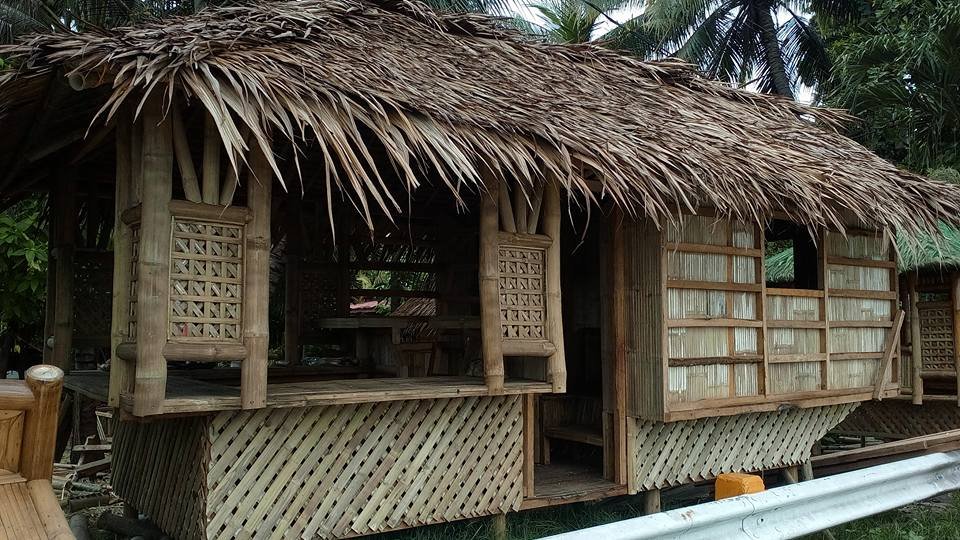
A nipa hut is a small, cozy house made from natural materials like bamboo and nipa leaves. It’s popular in the Philippines and other tropical places. Kids and adults love its cool look and how it blends with nature. But guess what? You can even build one in the USA!
What Makes a Nipa Hut Special?
Nipa huts are special because they are simple, strong, and eco-friendly. These huts don’t just look cool—they are designed to stay cool! In hot tropical countries like the Philippines, where it can get really hot and humid, the nipa hut works like natural air conditioning. The walls are made from bamboo, which lets the air flow in and out, and the roof made of nipa leaves gives great shade from the sun and protection from the rain. It’s a smart design made by smart people many years ago, and it still works today. The raised floors help the house stay dry during rainy weather or flooding. Because they are light and made with natural materials, nipa huts are also very easy to build, move, or fix. Families love how comfortable and cozy these houses feel, even without air conditioning or electricity.
Where Do Nipa Huts Come From?
Nipa huts come from the Philippines. They are part of Filipino culture and history. Long ago, before there were big buildings and modern houses, families lived in nipa huts in villages surrounded by trees, rice fields, and rivers. These huts are also known as bahay kubo, a traditional Filipino term. They were built to survive the tropical weather—rain, sun, and wind. Because of the materials used, nipa huts were easy to repair after typhoons or strong winds. Over time, the design stayed almost the same because it works so well. Many artists, architects, and nature lovers from around the world admire the nipa hut because of its smart, simple design that’s kind to the Earth.
What Are Nipa Huts Made Of?
Nipa huts are built from natural, sustainable materials that are easy to find in tropical countries. Builders don’t use cement, metal, or bricks. Instead, they use things that grow in nature and are good for the planet. These materials also help keep the hut cool during the day and warm at night. Let’s explore the main parts of a nipa hut:
Bamboo for the Walls
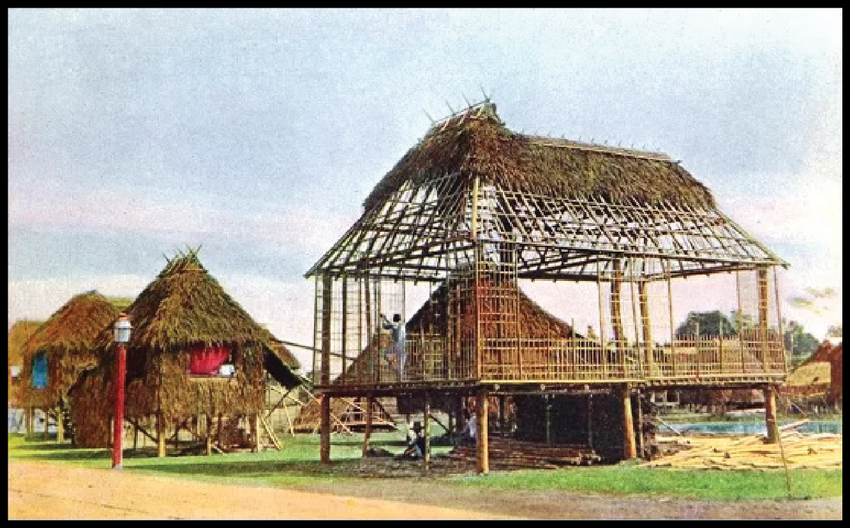
Bamboo is one of the most important materials for making nipa huts. It grows very fast and is super strong, even stronger than some kinds of wood. People cut bamboo into long pieces, split them into thinner strips, and then weave them into flat walls. These walls let air move in and out of the house. That means the inside stays fresh and breezy. Bamboo also looks nice and natural. In some designs, builders use bamboo poles as the main support for the house, especially for the posts and sides. This helps the house stand tall and firm, even during heavy rains or wind.
Nipa Leaves for the Roof
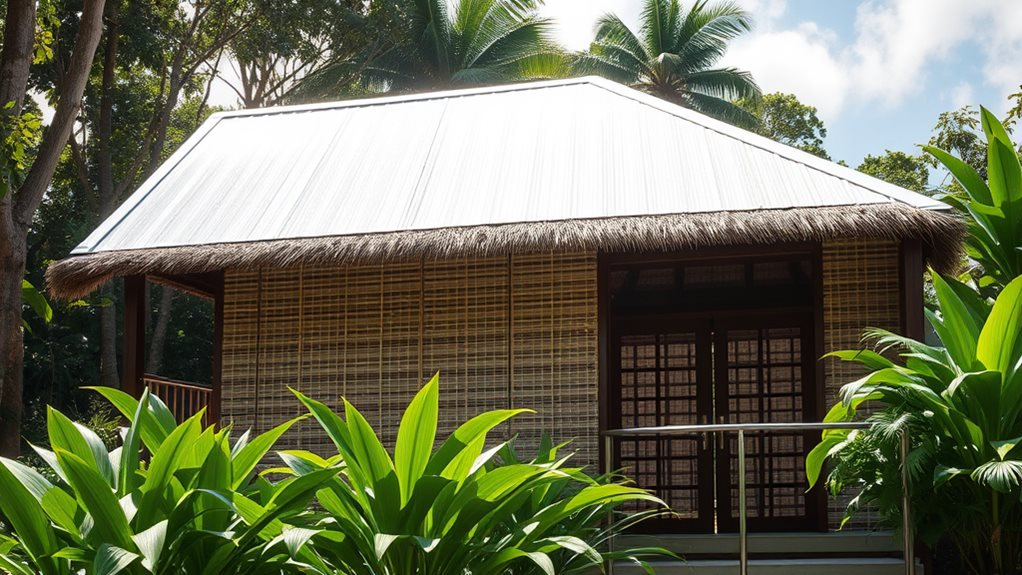
The roof of a nipa hut is usually made of dried nipa palm leaves. These leaves are gathered, dried, and layered tightly to make the roof waterproof. The thick layers stop rain from getting inside the house. The leaves also give shade and help keep the house cool on sunny days. When properly tied and arranged, a nipa roof can last for several years. Nipa leaves are a traditional roofing material in many parts of Southeast Asia because they are easy to collect, flexible, and lightweight. They also give the house a natural, tropical look that many people love.
Wood for the Floor and Frame
The floor and the main frame of the nipa hut are usually made from hardwood. Builders choose strong wood to make sure the hut is safe and sturdy. The wooden floor is often raised above the ground to protect it from mud, water, and animals. This raised design also helps air flow under the hut, which makes the house cooler and more comfortable. Wood also adds strength to the frame, helping it stay strong even during storms or floods. Sometimes, people use coconut wood or other native trees found near their area. The use of wood gives the nipa hut a solid, homey feel.
Why Do People Love Nipa Huts?
People love nipa huts for many good reasons. First, they are eco-friendly. That means they don’t hurt the environment because they’re made from natural materials. Next, nipa huts are simple and beautiful. Their cozy, open-air design feels calm and relaxing. In fact, many people say staying in a nipa hut feels like being on a vacation. The open design lets you hear the sounds of birds and trees and enjoy fresh air all the time. These huts also cost much less to build than modern homes. Many beach resorts, farms, and nature parks use nipa huts to give visitors a peaceful and natural place to rest. Even in cities, people use nipa huts as small rest houses, tea houses, or backyard lounges. Whether you’re a child playing house or a grown-up looking for a quiet corner, a nipa hut is a perfect spot to enjoy.
Can You Build a Nipa Hut in the USA?
Yes, you can build a nipa hut in the USA! While nipa huts are mostly seen in the Philippines, people in the U.S. are starting to build them in their backyards, gardens, and even in tropical-themed resorts. In states like Florida, Hawaii, California, and Texas, where the weather is warmer, nipa huts can be a great choice. Even in cooler areas, people can build modified versions of nipa huts using local materials that look similar. You might not find nipa leaves easily, but there are other palm leaves or synthetic materials that can work the same way. Bamboo and wood are widely available, so building the walls and frame is totally possible. Just make sure to check with local building rules and codes before starting. Some homeowners even turn their nipa huts into tiny homes, backyard studios, or relaxation spaces. It’s a fun, creative way to bring tropical vibes to your own backyard.
How to Decorate Your Nipa Hut
Decorating a nipa hut is super fun! Since the hut already has a natural, tropical look, you can add more fun and colorful touches to make it your own special place. Think about adding things that make you happy, cozy, and relaxed. Whether you want a beach-style hut, a cozy reading corner, or a backyard clubhouse, there are so many ways to decorate it beautifully.
Add Colorful Lights
Colorful string lights or solar-powered lanterns can make your nipa hut glow at night. You can hang lights along the roof, on the posts, or even inside the hut to make it feel magical. Choose warm yellow lights for a soft glow or rainbow lights for a fun party feel. Lights also make the hut safer and easier to use when it gets dark.
Use Tropical Plants
Plants like ferns, palm trees, and flowers can turn your nipa hut into a mini jungle! Put some potted plants around the hut or hang them from the roof edges. You can even grow vines along the posts to give your hut a natural, garden-like look. Plants help cool the air and make the space feel peaceful and green.
Bring Fun Furniture
Use wooden chairs, colorful hammocks, and comfy floor cushions to decorate the inside of your nipa hut. Low tables made of bamboo or recycled wood are great for snacks, books, or games. If you want to relax, add a beanbag or a soft mat. Fun furniture makes the hut a great place to hang out with friends or take naps on sunny afternoons.
How Long Do Nipa Huts Last?
A well-made nipa hut can last between 5 to 10 years or more, depending on the materials and how well it’s taken care of. The bamboo and wood parts can stay strong for many years if protected from too much rain and bugs. The nipa roof may need replacing every 3 to 5 years, especially if there are heavy rains. But if you use treated bamboo, hardwood, or synthetic roofing, your nipa hut can last even longer. Taking care of your hut by cleaning it, keeping it dry, and checking for damage helps make it last many years.
The Bottom Line
A nipa hut is more than just a house. It’s a symbol of culture, nature, and simple living. From its bamboo walls to its leafy roof, every part of a nipa hut is made with love and care. It’s the perfect mix of tradition, comfort, and smart design. Whether you live in the Philippines, the USA, or anywhere else, a nipa hut brings joy, peace, and a touch of the tropics right to your doorstep. Kids can play in it, grown-ups can relax in it, and everyone can enjoy its beauty. If you ever dreamed of having your own little tropical hideaway, the nipa hut might be exactly what you’re looking for.