
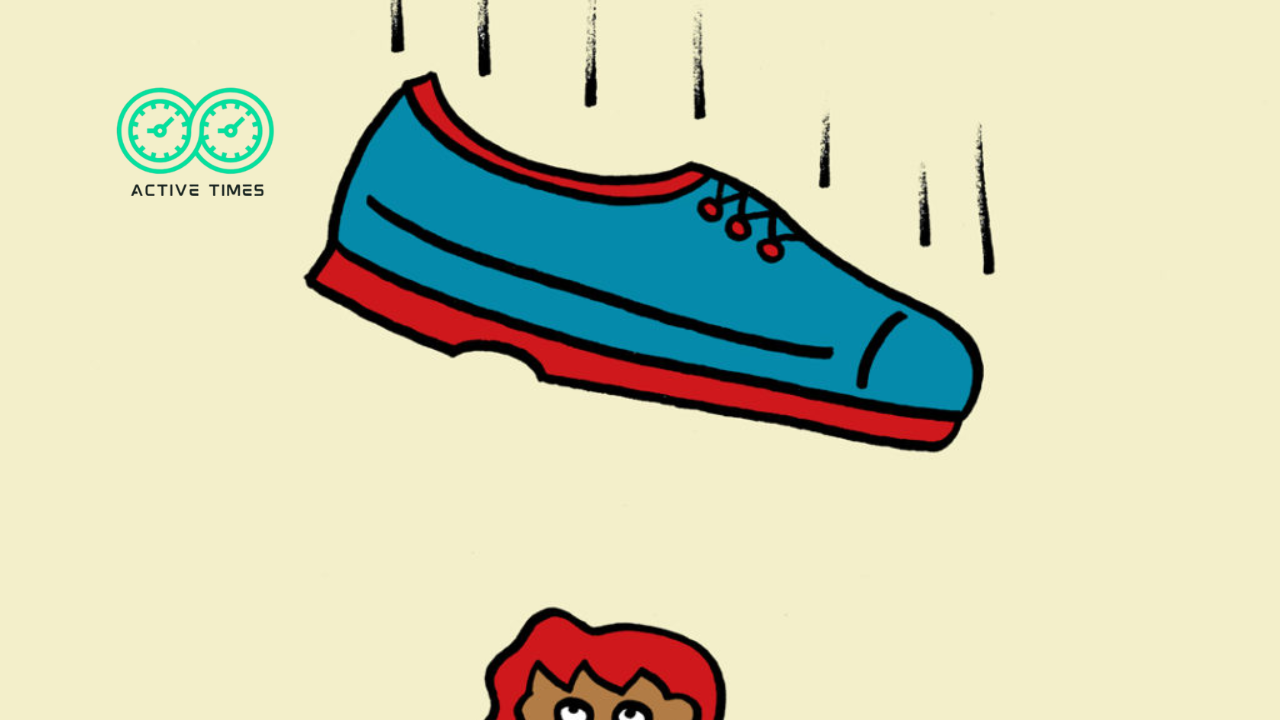
We’ve all felt it—that strange, uneasy feeling that something bad is about to happen. You’re not sure what it is, or when it’ll come, but you’re bracing yourself just in case. This feeling is often called “waiting for the other shoe to drop.” It’s more common than you think and can affect your thoughts, emotions, and even your health. In this article, we’ll explore what this phrase means, where it comes from, why our minds react this way, and how you can ease that anxious waiting.
What Does “Waiting for the Other Shoe to Drop” Mean?
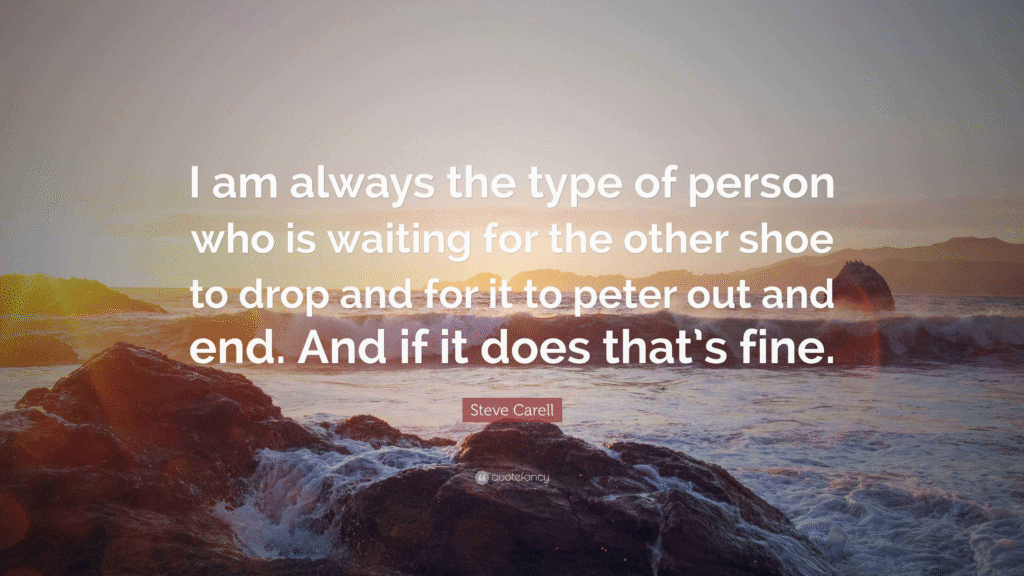
The phrase “waiting for the other shoe to drop” is used when someone feels that something bad is going to happen, especially after a negative event or even during a calm period that feels “too quiet.” It’s a way of saying, “I’m expecting something else to go wrong.” People use it when they’ve already experienced part of a problem and think more trouble is coming.
Let’s say your car breaks down on the highway. You fix it, but then for the rest of the day, you’re tense, wondering what will go wrong next. That anxious state—waiting, worrying, expecting—is exactly what this phrase describes. It’s that emotional “pause” where we hold our breath, waiting for the next hit. This mindset is often rooted in anxiety and can linger even when things are calm on the surface. The more we think something bad is coming, the more we live in stress, even when nothing bad is happening yet.
Where Did This Phrase Come From?
The origin of “waiting for the other shoe to drop” dates back to early 20th-century New York City. In apartment buildings with thin floors, people could often hear their upstairs neighbors. A common scenario would be someone removing their shoes at night: the first shoe would drop with a loud thump, and then there would be silence. Naturally, people would wait for the second thump—the “other shoe.”
Over time, this literal idea of waiting for a sound turned into a metaphor. It began to describe the mental state of waiting for something inevitable, often something unpleasant. Today, the phrase is still widely used in American English to explain feelings of anxiety, unease, or impending doom. It’s common in conversations about mental health, chronic stress, or emotional burnout.
Why Do We Feel This Way?
Feeling like something bad is about to happen isn’t just a random emotional glitch. There are psychological and biological reasons why we feel this way. These reasons are tied to how our brains work, how our past shapes us, and how fear can take control of our thinking—even when there’s no real danger right in front of us.
Our Brain Loves Patterns
Our brains are wired to find and remember patterns. This is helpful most of the time. It’s how we learn routines, recognize faces, and solve problems. But this pattern-seeking nature can work against us. If something bad happened recently, our brain thinks, “Okay, more bad things might follow.” We start connecting unrelated dots and assume a negative trend is forming. This is especially true if we’ve experienced similar events in the past.
For example, if you had a tough week—maybe your boss criticized you, your pet got sick, and your internet went out—your brain might start predicting more problems ahead, even when there’s no proof. You might think, “Bad things come in threes,” even though that’s just a superstition. The brain, in its effort to prepare, builds expectations based on limited patterns.
Fear Keeps Us Alert
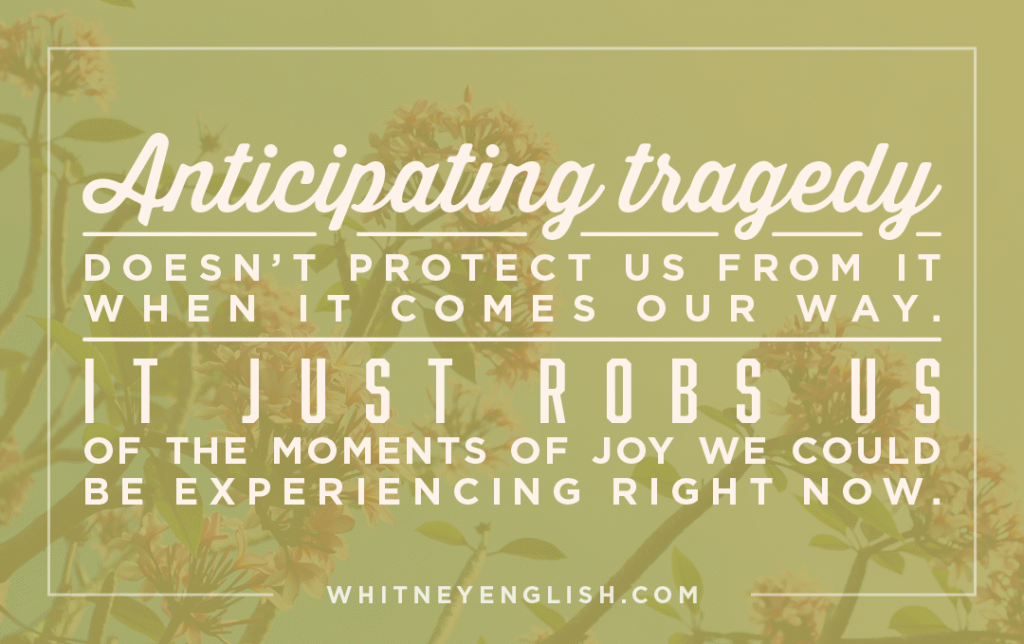
Fear is a survival tool. It helps keep us safe from danger. But when fear goes unchecked, it can make us feel like something bad is always around the corner. This is where “anticipatory anxiety” comes in—a fear of something that hasn’t even happened yet. Your body goes into “fight or flight” mode. Your heart races, muscles tense, and you become hyper-alert.
This kind of fear can be useful in short bursts. But when it lasts too long, it drains your energy and makes it hard to enjoy the present moment. Constantly being on edge can make us feel exhausted, irritable, and disconnected.
Past Experiences Matter
Your past experiences shape how you see the world today. If you’ve gone through trauma, betrayal, loss, or disappointment, your brain remembers how those moments felt. Even if your life is stable now, your emotional memory might still be on high alert. This is called emotional conditioning—your body and brain learn to expect certain outcomes based on your history.
If you’ve been through times where one bad event quickly led to another, you may naturally start expecting a repeat. It’s not that you’re being negative—it’s your brain trying to protect you. The problem is, it can trap you in a cycle of worry that’s hard to break.
Common Times People Feel This Way
There are certain moments in life when the feeling of waiting for the other shoe to drop becomes more common. These include:
- After recovering from illness or injury, wondering if symptoms will return
- After a breakup or divorce, fearing emotional pain again
- When starting a new job or school, expecting something to go wrong
- During calm periods after high stress, suspecting the peace won’t last
- After a financial crisis, waiting for another bill or emergency
This feeling can even show up in happy moments. You get a promotion, but worry your team will resent you. You fall in love, but wait for the relationship to fall apart. It’s the mind’s way of preparing for worst-case scenarios, even when they may never happen.
How This Feeling Affects Your Body and Mind
When you live in a constant state of worry, it doesn’t just affect your thoughts. It takes a toll on your mental and physical health too. Chronic anxiety can make your brain flood your body with stress hormones like cortisol and adrenaline. These are helpful in real emergencies, but harmful when overproduced.
Some effects include:
- Trouble sleeping or staying asleep
- Muscle tension and headaches
- Stomach problems or loss of appetite
- Increased heart rate and shortness of breath
- Difficulty concentrating or making decisions
- Feeling detached or numb
Over time, this stress can lead to burnout, depression, or panic attacks. That’s why it’s so important to recognize the signs and take steps to calm your body and mind.
Easy Ways to Feel Better
You don’t have to live with this uneasy feeling forever. There are simple, science-backed ways to manage anxiety and stop waiting for the other shoe to drop. The goal isn’t to erase all fear—but to stop fear from controlling your life.
Talk About It
Talking to someone you trust can help release built-up tension. This could be a friend, partner, family member, or therapist. When you name your fear out loud, it often loses some of its power. You might even find that others have felt the same way and can offer support or advice. Sharing your thoughts also helps your brain process emotions more clearly.
Do Something Fun
Joy and laughter are powerful tools against anxiety. Doing something fun—even something small—can help shift your focus from what might go wrong to what’s going right. Watch a comedy, play a game, go for a walk, or spend time with pets or children. These light-hearted moments tell your brain, “I’m safe right now.”
Take Deep Breaths
Breathing deeply activates your parasympathetic nervous system, which helps calm your body. Try this: Breathe in through your nose for 4 seconds, hold it for 4 seconds, then breathe out slowly through your mouth for 6 seconds. Do this a few times. It may sound simple, but it really works. It tells your brain to slow down and brings your heart rate back to normal.
When to Ask for Help
If your anxiety is constant, intense, or interfering with your daily life, it’s okay—and smart—to ask for help. There’s no shame in talking to a mental health professional. Therapists can help you understand the root of your fears, teach coping skills, and offer tools like CBT (Cognitive Behavioral Therapy) to break the cycle of anxious thinking. Remember, you don’t have to go through it alone.
The Bottom Line
Feeling like you’re waiting for the other shoe to drop is a common human experience. It happens when we’ve been hurt, shocked, or overwhelmed—and we’re afraid it might happen again. Our brains are just trying to protect us, but sometimes they do it in ways that steal our peace. By understanding where this feeling comes from, how it affects us, and what we can do about it, we can stop living in fear and start living in the now.
You don’t need to wait for something bad to happen before you feel better. You can choose calm, joy, and hope—even if the other shoe never drops.